Audience research
A guide to York and Yorkshire travel creator briefs for heritage content
Travel creator briefs in York and Yorkshire and the Humber: heritage, family, half-term timing, named attractions and audience data for campaigns.
What to take away
- Travel creator briefs in York and Yorkshire and the Humber work best when they name a specific heritage site, a family hook and a clear half-term window.
- York Minster, the Jorvik Viking Centre and the National Railway Museum are the most requested named attractions in creator briefs.
- Half-term weeks in February, May and October drive the biggest spikes in family content engagement.
- Yorkshire and the Humber audience data shows a strong domestic heritage audience, with segmentation by cultural identity and ethnicity.
- VisitEngland funding shapes many regional campaigns, so briefs should reflect its domestic tourism priorities.
- Agree measurement before the first shoot day to avoid disputes over reach and engagement.
Heritage and history briefs that work in York
York is a walled city where heritage is the product. A creator brief for York heritage content should start with the city's Roman, Viking and medieval layers, then tie each layer to a place a visitor can stand in.
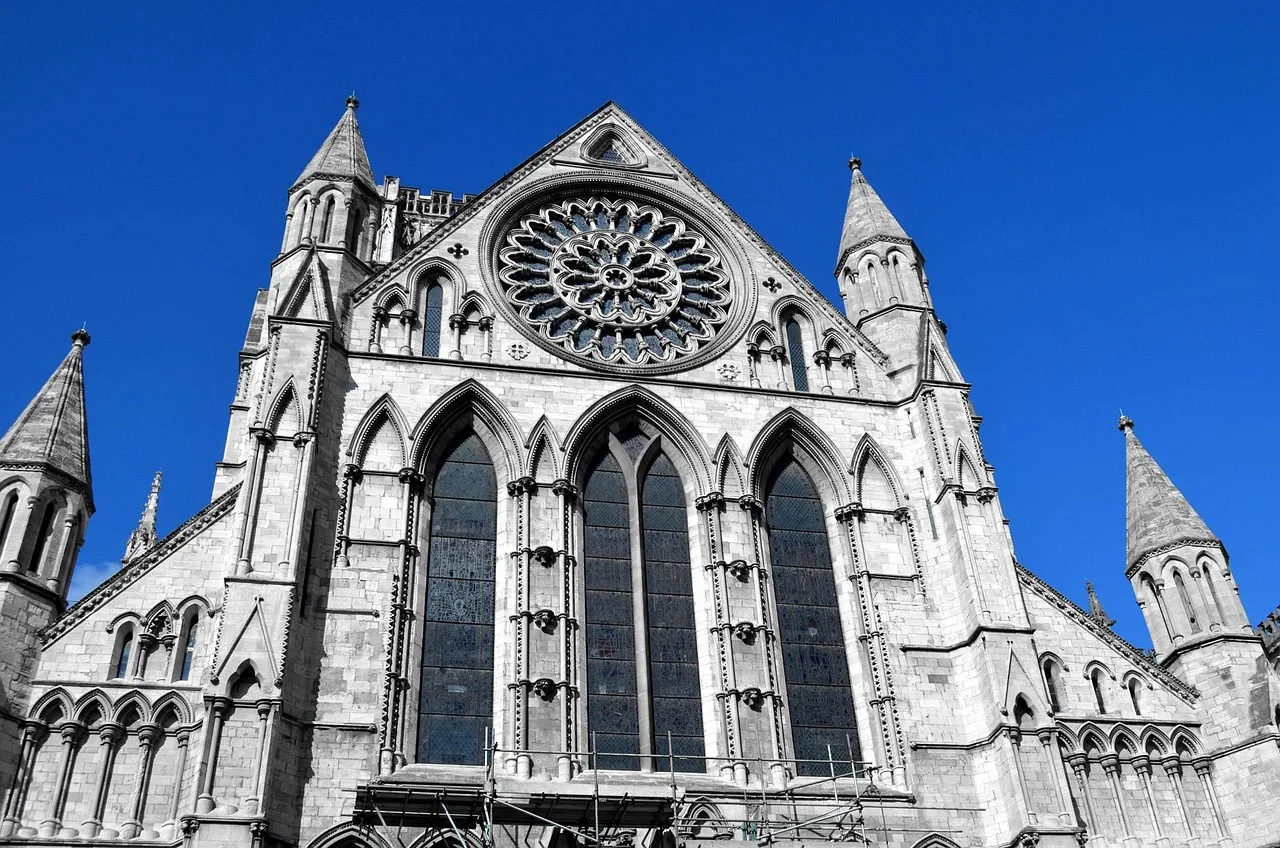
The strongest York heritage briefs name a single anchor site and build a story around it. York Minster, the city walls, Clifford's Tower and the Shambles each support a distinct angle: architecture, walking, rebellion and retail history. A brief that asks for all four in one video produces shallow coverage.
History briefs for York also work when they include a guide or curator. Access to a knowledgeable local voice raises the credibility of the content and gives the creator a reason to film beyond the exterior.
Timing matters for heritage. York's key heritage sites are busiest in summer, so a brief that films in spring or late autumn captures the same locations with fewer crowds and better light. That is a practical selling point for a campaign aimed at off-peak visitors.
A good York heritage brief includes a simple shot list: exterior, one interior detail, one human interaction, one wide street view. This keeps the edit tight and makes the content usable across the client's own channels.
For any heritage brief, define the target audience before choosing the creator. A history-focused audience responds to depth and dates; a general travel audience responds to atmosphere and practical tips. That distinction should sit in the brief, not in the edit.
Family travel briefs across Yorkshire and the Humber
Yorkshire and the Humber family briefs succeed when they reduce friction. Parents want to know what a day costs, how far they will walk, where they can eat and whether a site works in rain. A brief that answers those questions will outperform a purely scenic film.
The National Railway Museum in York is free to enter and is the single most useful family location in the city. It gives a creator a full day of content without ticket cost, which matters when a family is deciding where to spend.
Beyond York, family briefs across Yorkshire and the Humber should consider the Yorkshire Coast, the North York Moors and the Yorkshire Dales. Each offers a different family day: beach, steam railway, moorland walk. A regional brief can connect two or three of these into a short itinerary.
Family content also performs when it shows the boring parts honestly: the car park, the queue, the toilet stop. That builds trust and reduces complaints in comments. Briefs should permit, even encourage, one candid moment.
Weather is a real constraint across Yorkshire and the Humber. A family brief should include a wet-weather alternative, such as a museum or an indoor market, so the creator is not stuck if the forecast turns.
Where a campaign runs across several counties, keep the family message consistent but let the locations differ. Repeating the same script in every town is the fastest way to look generic. For campaigns that need to segment parents by age of children or by income, a structured approach to buyer personas without guesswork helps keep the brief focused.
Named attractions and partners for Yorkshire creator campaigns
Briefs should name the partners. Creators need to know who is hosting, who approves the content and who owns the footage. The table below lists named attractions and the brief angle each one supports.
Named attractions and partners
| Named attraction | Location | Brief angle |
|---|---|---|
| York Minster | York | Gothic architecture, tower climb, choral history |
| Jorvik Viking Centre | York | Viking York, family education, immersive ride |
| National Railway Museum | York | Free family day, engineering heritage, steam |
| Castle Howard | North Yorkshire | Stately home, gardens, film location history |
| Fountains Abbey and Studley Royal | North Yorkshire | Cistercian ruins, National Trust, walk |
| North Yorkshire Moors Railway | North Yorkshire | Steam travel, family day out, moorland |
| Whitby Abbey | North Yorkshire coast | Dracula, English Heritage, coastal history |
| Rievaulx Abbey | North Yorkshire | Abbeys, quiet heritage, photography |
Each of these sites has its own access rules. Some charge for filming, some require a permit, and some allow handheld content only. The brief should state the rule, and the creator should confirm it before the visit.
Partnerships work best when the attraction provides something a creator cannot buy: a guide, an out-of-hours slot or a behind-the-scenes look. That is what separates a campaign from a review.
For heritage partners, the marketing goal is usually visits from outside the region. For family partners, it is visits during school holidays. Those are different briefs even when the location is the same.
VisitEngland supports domestic tourism campaigns across England, and its priorities often shape what regional partners can fund. A brief that aligns with those priorities is easier to approve. The same logic applies to any campaign that needs to show results to a funder, so agree key metrics in England before the first visit.
Half-term timing and seasonal audience data
Half-term is the single most important timing decision in a Yorkshire family brief. English school holidays fall in late February, late May and late October, with a longer summer break. Campaigns should be planned around those weeks, not around the calendar month.
A creator brief for half term should be delivered at least four weeks before the holiday. Families plan trips in advance, and content published on the first day of half term misses the decision window.
Heritage briefs follow a different rhythm. City breaks and cultural visits peak in spring and early autumn, with a smaller lift around Christmas markets. York's Christmas market period is busy, but the content window opens in October.
Seasonal data from the Office for National Statistics shows how visits and spend move through the year, which is useful when setting a brief's timing. The ONS leisure and tourism statistics cover visits and spend and can support a campaign plan without guesswork.
Use a simple planning checklist before locking a half-term brief:
- Confirm the exact school holiday dates for the target local authority.
- Check the attraction's opening hours and any half-term events.
- Agree the publish date, at least four weeks before the holiday.
- Confirm whether the creator can film inside the attraction.
- Set a wet-weather alternative location.
- Agree the disclosure wording for any paid partnership.
- Book the creator's travel and accommodation before prices rise.
Paid partnerships in the UK must be clearly labelled. The Advertising Standards Authority enforces the rules on ad disclosure, and the Competition and Markets Authority takes an interest in undisclosed commercial relationships. A brief should state the label the creator must use.
Tax treatment also matters for creators and for the brands that pay them. HM Revenue and Customs treats gifted stays and payments as taxable income in most cases, so a brief should not promise cash-in-hand arrangements. Getting this wrong creates a problem for both sides.
Audience data for heritage and family travel content
Audience data turns a brief from a guess into a plan. For campaigns in York and Yorkshire and the Humber, two datasets are especially useful: cultural identity and ethnicity.
The ONS cultural identity data supports heritage audience segmentation by how people describe their own identity and attachments. That matters for briefs about local history, where a sense of place drives interest.
The ONS ethnicity data supports segmentation by ethnic group, which helps a campaign avoid treating audiences in Yorkshire and the Humber as a single block. Heritage sites in cities such as Bradford, Leeds and Sheffield serve audiences that differ from rural North Yorkshire.
For family content, the useful variables are age of children, household income and travel distance. A family within an hour's drive behaves differently from one booking an overnight stay. The brief should say which group it is for.
When a campaign spans several regions, compare the target with the wider English picture. VisitEngland's role in English regional tourism includes domestic marketing support, and its published priorities can guide which audiences a brief should address. A campaign that matches those priorities is easier to justify to partners.
Audience work should start before the creator is chosen. The audience research guide sets out a practical process, and the earlier piece on what audience research means for a target audience explains why the brief, not the creator's existing following, should define the goal.
Numbers alone do not make a brief. A creator with a smaller but well-matched audience often delivers more visits than a larger, mismatched one. The brief should state the audience, the action and the measure.